

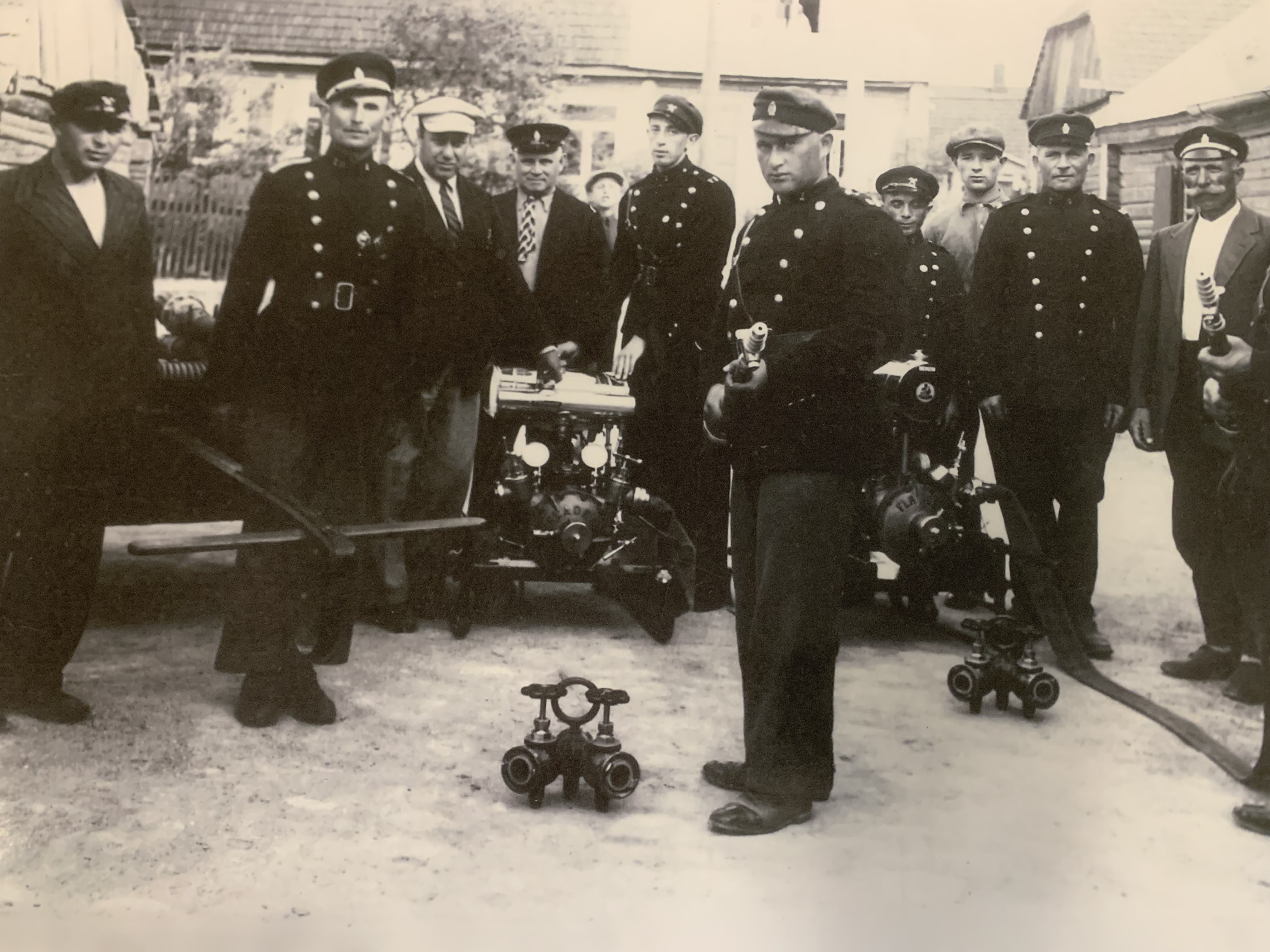
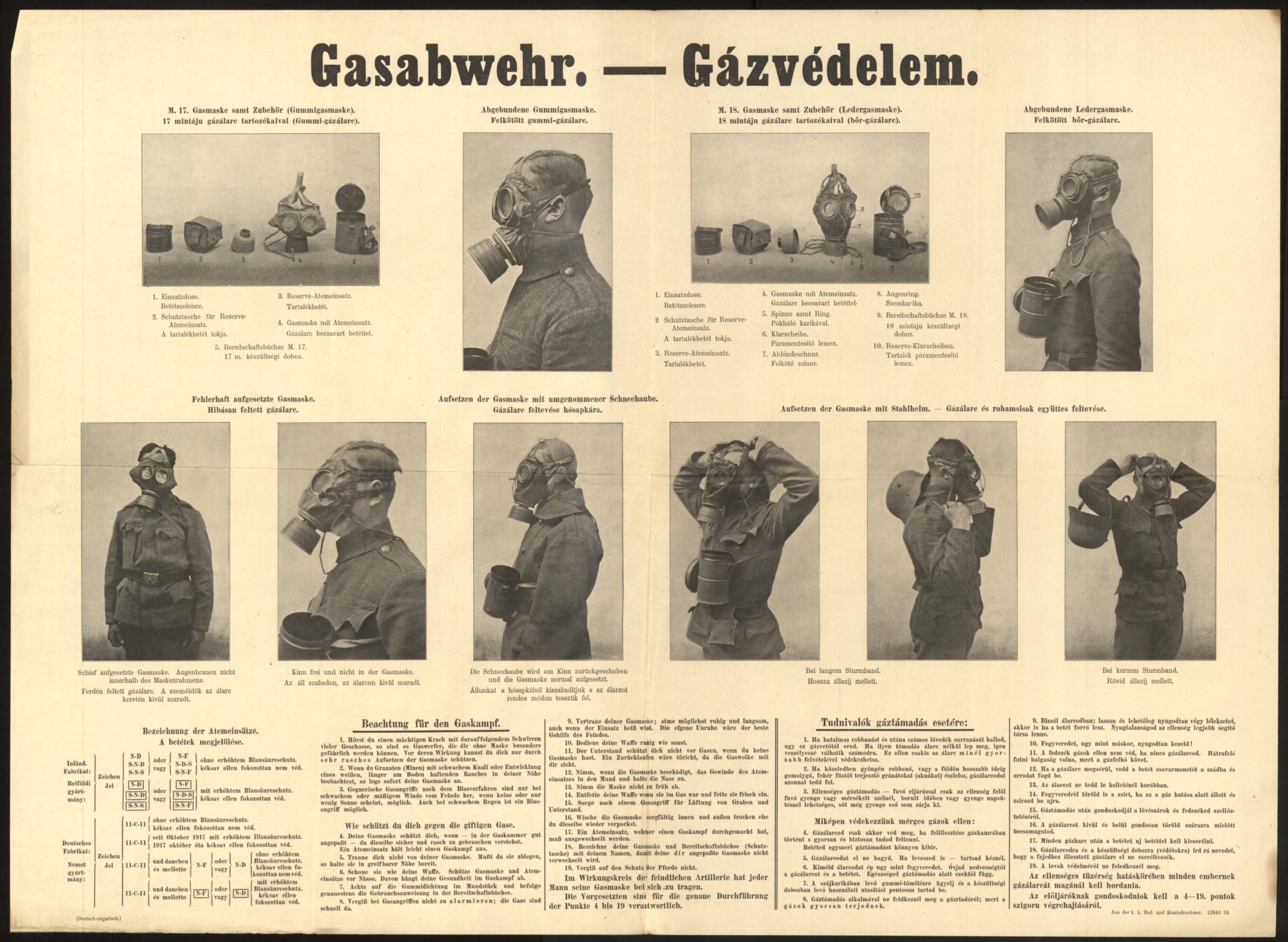
The early firefighting equipment of the 20th century was entirely unlike what we are used to seeing today. Most fire departments used horses and carts to battle fires because they couldn't even afford cars. Basic equipment such as ladders, smoke masks, hooks, axes, rescue ropes, pumps, pump hoses, syringes, etc. were brought to the fire scene by the firefighters. As soon as the fire department chief arrived on the scene, he assessed the damage and gave orders regarding the firefighters' next course of action. Pumps were required to pump the water after a source was located.
Pumps were required to pump the water after a water source was found. Firefighters called “climbers” would then be dispatched to areas where there is a high chance that the fire could spread to a nearby building to contain it. Firefighters had to wear smoke masks if there was a lot of smoke. Firefighters extinguished the flames with hoses, while other firefighters, usually “climbers”, used axes and hooks to pull the extinguished objects out of the fire. The water delivery chief's responsibility was to supply the necessary quantity of water in the event of a fire. The “axers” brigade was once involved in property and life preservation. In the past, “axers” kept a variety of rescue equipment, including a ladder, bag, belt, rope, and cloak. To make it easier for his colleague to return from the burning building, an axer also needed to have a rope. He would tie one end of the rope to himself and give the other end to his partner.
Only “injectors” were supposed to wear fire masks. They had to be carried by the injectors (a metal box with a mask worn over their shoulder). Two filters were required for the mask: a red filter to shield the organs from regular smoke and a green filter to shield them from harmful gases. It took training for injectors to wear masks. First, without any filters, and then with them. They trained for ten minutes to an hour or longer, depending on how accustomed they were to the mask, and then had to wear it for three hours or longer. In addition, they had to practice using an axe, climbing a ladder, and other tools while wearing a mask.
There were several kinds of pumps in use. One of the main drawbacks of the manual pump was that it required multiple people to pump simultaneously, which was problematic because firefighters soon grew weary of pumping manually. Apart from the manual pump, steam pumps were used as well. These were powerful pumps, but they were also very inconvenient because you needed a driver, stoker, or cart to operate the pump. Later, centrifugal and piston pumps—more contemporary types of pumps—started to be made.
Axes and ladders. Ladders came in a variety of types back then. The most basic was a single-section ladder. Compound ladders were required to access the roofs of taller houses. Push ladders were once more expensive and convenient. Back then, all ladders were made of wood. The firefighter axes were more robust and thicker than the average home axe. They also had pickaxes fastened to them, which were used to break boards off walls, floors, and other surfaces. Hooks were also used by firefighters. They are made for pulling larger, heavier items.