

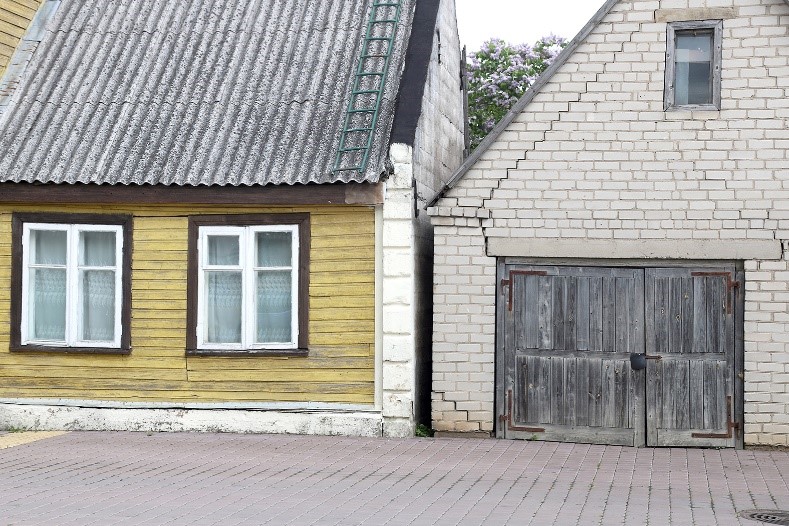
Due to the numerous and frequent fires in the 20th century, fire safety became crucial. As a result, people started receiving education on topics like how to stay safe from fires and what to do in the event of one. The Utena County Board even passed an obligatory ordinance in 1919 outlining what individuals had to do to safeguard themselves against fires. They were told to fix all the chimneys and furnaces to ensure there was a roof ladder in every yard. In addition, to have a fire hose on hand, store water barrels in each yard in the event of a fire and assist firefighters in if there isn't a body of water within 50 meters. Monetary fines (up to 100 litas) were threatened for noncompliance with these orders.
Children received education on responsible behavior as well. The newspaper “Ugniagesys” published guidelines for kids and students on how to act to prevent starting a fire in 1933. The following are some general safety tips for younger kids: don't play with matches, don't keep an open fire near clothing, don't dry clothes near a hot stove, don't play with electricity, don't light a Christmas tree's candles when its needles have begun falling, don't start a fire in the forest or near a house, etc. Older children should follow these safety precautions: don't play with electricity, don't read in bed next to an open fire, hide matches where younger kids can't find them, and so on.
During the interwar years, a fire safety regulation was also implemented for the building of wooden houses. A firewall was required between wooden houses that were adjacent to one another. This implies that since fires could quickly spread to nearby homes, the house's outer wall had to be constructed of brick. The brick wall prevented fires from spreading too quickly. When looking at the house from the street, the right side was typically where firewalls were constructed.